


Commercial landscapes are under more pressure than ever. Water restrictions are tightening. Climate stress is increasing. Budgets are scrutinized. Property teams are now exploring approaches like a regenerative strategy to ensure landscapes look good, function safely, and avoid constant issues.
A regenerative landscape strategy addresses these realities head‑on. By restoring soil health, optimizing irrigation, and building resilient plant systems, regeneration shifts landscapes from reactive and resource‑heavy to predictable, efficient, and easier to manage over time.
For HOAs, mixed‑use developments, corporate campuses, and commercial properties, regenerative strategies aren’t just about sustainability — they’re about long‑term performance and operational control.
What a Regenerative Strategy Really Means for Properties
A regenerative strategy goes beyond routine maintenance. Instead of simply reacting to visible issues, it focuses on improving how the landscape functions over time.
That means:
- Rebuilding soil so it absorbs and holds water properly
- Designing irrigation to match real plant needs
- Selecting plants that are suited to the site, climate, and use
- Reducing dependence on constant replacements, fertilizers, and emergency repairs
When these systems work together, landscapes become more stable. Plant health improves. Water use drops. And maintenance becomes more predictable instead of reactive.
In short, regenerative landscapes are designed to perform, not just survive.

Why Soil Health Is the Foundation
Many commercial landscapes struggle not because of poor maintenance, but because the soil underneath them has been compacted, depleted, or damaged over time.
Restoring soil structure improves water infiltration, supports deeper root systems, and reduces plant stress. Healthier soil means landscapes can thrive with:
- Less frequent irrigation
- Fewer chemical inputs
- Fewer plant failures
This foundational work allows property teams to move away from short‑term fixes and toward long‑term reliability.
The Role of Biodiversity in Stronger Landscapes
Biodiversity isn’t about making landscapes look wild — it’s about making them more resilient. In commercial settings, a regenerative strategy that incorporates a diverse mix of plants supports healthier ecosystems by:
- Attracting pollinators and beneficial insects
- Naturally reducing pest pressure
- Improving soil biology and nutrient cycling
- Increasing tolerance to drought and extreme weather
Landscapes with a variety of plant types tend to require fewer interventions over time. For property owners and managers, that translates to lower long‑term costs and fewer recurring issues, while also creating outdoor spaces that feel richer and more inviting.
Economic and Operational Advantages of Regenerative Landscaping
A regenerative approach delivers benefits that property teams feel day to day.
Lower water use and operating costs
Modern irrigation strategies — including drip systems, targeted sprinklers, and smart controllers — dramatically reduce water waste compared to traditional schedules. When paired with soil improvements and appropriate plant selection, properties often see meaningful reductions in water consumption without sacrificing appearance.
Fewer inputs, fewer surprises
Reducing reliance on pesticides and synthetic fertilizers protects people, pets, pollinators, and local waterways — while also lowering material and labor costs. Landscapes stabilized through regenerative practices experience fewer emergency repairs and fewer plant replacements.
Predictable maintenance instead of constant reaction
Well‑planned seasonal care, soil management, and strategic pruning extend plant life cycles and reduce unplanned work. This allows teams to plan ahead instead of constantly responding to issues.
Stronger tenant and resident experience
Healthy, well‑designed landscapes contribute to safety, usability, and curb appeal. When outdoor spaces function well, they support tenant satisfaction and reinforce overall property value.
Sustainability and Compliance — Without Added Complexity
Regenerative strategies naturally support sustainability goals and regulatory requirements. Efficient water use, runoff reduction, and climate‑appropriate plantings help properties meet drought restrictions and corporate environmental targets.
Healthy landscapes also capture and store carbon in soil and plant material, improve air quality, and support local ecosystems. These benefits can be measured and reported, supporting ESG initiatives and investor expectations without adding operational burden.
Properties that adopt a regenerative strategy often exceed minimum compliance standards — signaling leadership in responsible property management rather than simply meeting requirements.
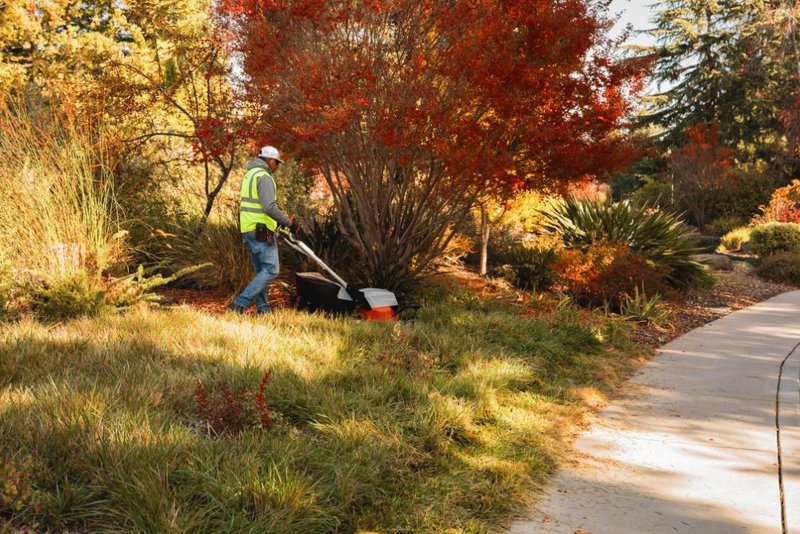
Common Barriers (and How Properties Overcome Them)
Transitioning to a regenerative approach can feel daunting at first. Common concerns include cost, complexity, and stakeholder buy‑in. In practice, these challenges are manageable with the right structure.
- “It sounds expensive.”
Initial investments are often offset by long‑term savings in water, labor, and replacements. - “Our team isn’t familiar with regenerative practices.”
Training, guidance, and clear plans make adoption straightforward. - “It feels complicated to manage.”
Phased implementation allows changes to happen gradually without disrupting operations. - “Boards or owners may resist.”
Clear ROI, predictable budgets, and measurable outcomes build confidence and support. - “How do we track performance?”
Modern monitoring tools simplify reporting and decision‑making.
When addressed early, these barriers don’t slow progress — they help shape smarter implementation.
Core Components of a Successful Regenerative Strategy
While every property is different, successful regenerative strategies consistently include:
- Soil Health Restoration
Improving structure and organic matter to support strong root systems. - Native and Climate‑Adapted Planting
Selecting species that perform well with fewer resources. - Precision Irrigation
Delivering water where it’s needed — and nowhere else. - Hydrozoning
Grouping plants by water requirements to improve efficiency. - Mulching and Organic Amendments
Conserving moisture, protecting roots, and suppressing weeds.
Together, these components create landscapes that stabilize and improve year after year, guided by a regenerative strategy.
Technology That Supports Regenerative Performance
Technology plays a critical role, especially in water management. Smart irrigation systems adjust schedules using weather data and soil moisture readings, preventing overwatering and protecting plant health. Experienced irrigation managers monitor performance, detect leaks early, and fine‑tune systems as conditions change.
Digital tools provide visibility into system behavior and support proactive planning instead of reactive repairs. When technology is paired with professional oversight and a regenerative strategy, landscapes remain resilient, cost‑efficient, and reliable.
Future‑Proofing Commercial Properties
A regenerative strategy helps properties prepare for what’s ahead: water scarcity, climate variability, and rising expectations around sustainability and performance. Gachina works with Bay Area property leaders to tailor soil, water, and planting strategies to local conditions.
By aligning landscapes with the realities of the region, properties reduce maintenance pressure, improve resilience, and achieve consistent long‑term results.
Ready to Take a Smarter Approach to Your Landscape?
If your landscape is consuming time, water, and budget without delivering consistent results, a regenerative strategy may be the next step forward. Gachina combines regenerative landscape planning, smart water management, and long‑term maintenance expertise to help commercial properties move from reactive care to predictable performance.
Schedule a consultation to explore how a regenerative strategy can improve your landscape’s performance — now and for years to come.


