


Thoughtful plant selection reduces water, fertilizer, and chemical inputs across commercial landscapes. Selecting species suited to soil, climate, and microclimate conditions improves operational efficiency and aesthetic outcomes. Gachina integrates data-driven plant selection to support sustainable, low-maintenance landscapes for property managers.
Strategic plant choices also strengthen ecosystem health and enhance resilience to seasonal stressors. Combining regenerative practices with technology-driven irrigation further optimizes resource use. Proper plant selection ensures vibrant landscapes while minimizing maintenance and operational costs.
Defining Thoughtful Plant Selection
Strategic plant selection emphasizes species adapted to the landscape’s climate, soil, and sun exposure. Plants naturally suited to their environment reduce water needs, fertilizer dependency, and chemical treatments. Microclimate analysis can identify stress points and allow proactive maintenance planning.
Choosing resilient species supports long-term landscape stability and overall ecosystem health. Well-adapted plants tolerate heat, drought, and occasional flooding while minimizing ongoing care requirements. Proactive selection prevents frequent replacements or emergency interventions, saving time and resources.
Incorporating regenerative practices enhances soil structure and nutrient cycling, supporting plant health. Strong root systems from these species reduce erosion and improve soil water retention. Thoughtful plant selection balances aesthetics, sustainability, and operational efficiency for commercial landscapes.
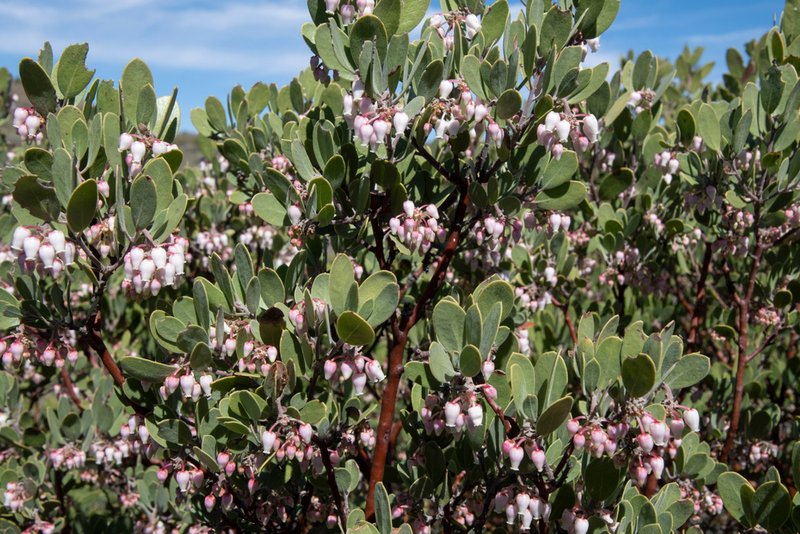
Matching Plants to Site Conditions
Analyzing soil texture, drainage, nutrient availability, and sunlight exposure guides effective plant selection. Microclimates—such as shaded courtyards, rooftop terraces, or wind corridors—require specific species for optimal growth. Example: A corporate campus with a sun-drenched plaza might use lavender, salvia, and ornamental grasses to reduce irrigation.
Plant spacing and community structure further optimize resource use. Correct spacing prevents overcrowding, reduces disease risk, and supports healthy growth. Example: Using 5–6 feet spacing for coast live oaks in HOA landscapes allows canopy development without excessive pruning.
Selecting native or locally adapted species encourages resilience and reduces maintenance frequency. Incorporating layered plantings—trees, shrubs, and groundcovers—supports water conservation and biodiversity. Plants matched to site conditions achieve consistent performance across varied landscapes.
Water and Maintenance Savings in Plant Selection
Thoughtful plant selection reduces irrigation and long-term labor requirements. Drought-tolerant plants combined with precision irrigation can significantly cut water usage. Smart systems, such as drip irrigation or hydrozoning, maximize efficiency by matching water delivery to plant needs.
Fewer replacements and lower chemical dependency reduce operational costs and environmental impact. Selecting species like ceanothus, manzanita, or ornamental grasses reduces fertilizer and pesticide applications. Combining plant-specific care with smart irrigation ensures sustainable, low-maintenance landscapes.
Key water-saving strategies include:
- Installing soil moisture sensors to schedule irrigation efficiently.
- Implementing hydrozones separating plants by water needs.
- Prioritizing drought-tolerant or native species.
- Integrating drip irrigation for deep, targeted watering.
- Adjusting seasonal irrigation based on plant performance data.
These strategies deliver both ecological benefits and predictable budgeting. Efficient water management supports vibrant landscapes while conserving municipal resources. Operational teams benefit from reduced maintenance demands and improved resource allocation.
Enhancing Biodiversity and Ecosystem Stability
Plant diversity supports natural pest control and improves soil health. Pollinator-friendly species like lavender, ceanothus, and salvia attract beneficial insects, reducing pesticide use. Multi-layered planting communities further support ecosystem balance and resilience.
Introducing flowering perennials and shrubs increases pollinator activity, which benefits surrounding plants. Studies show regenerative landscapes enhance soil microbial activity and reduce chemical dependency. Thoughtful plant selection aligns ecosystem health with operational efficiency.
Biodiversity-focused practices include:
- Planting nectar-rich flowers to support pollinators.
- Using layered plant communities to prevent monocultures.
- Integrating nitrogen-fixing shrubs to improve soil fertility.
- Including native grasses to stabilize soil and reduce runoff.
- Encouraging natural predators to control pests.
These practices create landscapes that remain beautiful and sustainable over time. Gachina’s approach ensures ecological balance supports long-term plant health. Biodiverse plantings maintain aesthetics while reducing reliance on interventions.
Data-Driven Irrigation Management
Smart irrigation uses real-time data to optimize water delivery and reduce waste. Soil moisture sensors, weather insights, and evapotranspiration tracking ensure plants receive water precisely when and where it’s needed. This approach improves plant health while minimizing labor and operational costs.
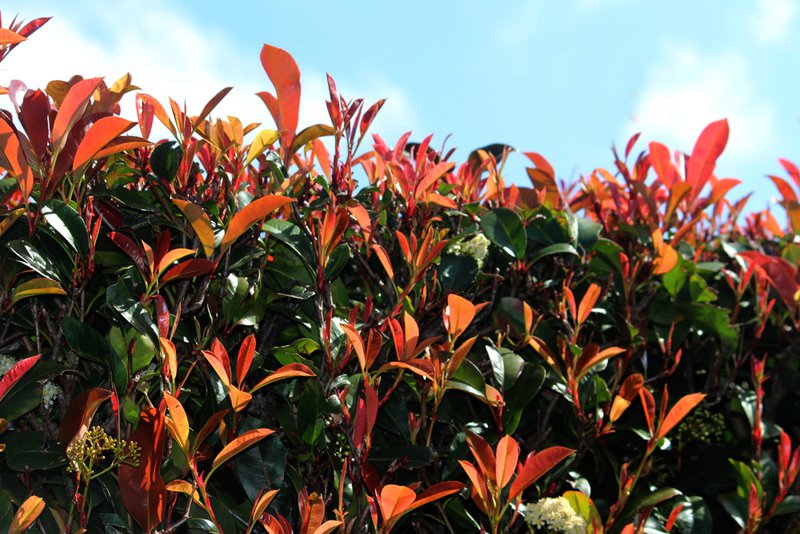
Precision irrigation allows predictable resource allocation and supports long-term landscape performance. Automated systems combined with site-specific data reduce overwatering and maintenance surprises. Using performance data, managers can align water schedules with plant needs efficiently.
Planning strategies for irrigation efficiency:
- Install soil moisture sensors to guide irrigation timing.
- Group plants into hydrozones based on water requirements.
- Integrate weather-based controllers for dynamic seasonal adjustments.
- Track evapotranspiration and adjust water delivery accordingly.
- Monitor plant performance and adapt schedules proactively.
These strategies conserve water, reduce labor, and maintain healthy landscapes.
These methods streamline operations while supporting plant health and sustainability. Landscapes thrive with fewer inputs when plant selection integrates species-specific knowledge. Data-driven irrigation supports sustainability while improving operational predictability.Selecting Resilient and Low-Maintenance Species
Choosing drought-tolerant and hardy plants reduces long-term care and resource dependency. Resilient species withstand seasonal stressors like heat, drought, and occasional flooding. Proper selection supports healthy ecosystems while maintaining visual impact.
plant selection
Type caption (optional)
Resilient plants limit the need for replacements and chemical treatments. Selecting species with strong root systems also improves soil stability and water retention. Predictable performance reduces operational surprises while enhancing landscape sustainability.
Planning strategies for resilient species:
- Prioritize drought-tolerant plants like manzanita and ceanothus.
- Include species adapted to local climate and soil conditions.
- Select plants capable of tolerating sun, wind, or shaded areas.
- Incorporate low-maintenance shrubs, grasses, and perennials.
- Monitor growth patterns to adjust care schedules proactively.
These practices reduce inputs while supporting long-term plant health. Resilient species form the foundation for sustainable, low-maintenance landscapes.
Practical Implementation
Phased plant introduction prevents visual disruption and encourages healthy establishment. Staff trained in plant-specific care can monitor hydration and nutrient needs effectively. Ongoing evaluation allows adjustment of irrigation and maintenance practices.
Smart irrigation technologies optimize water use by delivering precise amounts based on real‑time environmental data. Integrating sensors, weather tools, and automated controllers improves water efficiency by targeting root zones and minimizing evaporation and runoff. These systems also reduce labor demands and can improve landscape resilience by ensuring water and nutrients are applied only when and where needed.
Implementation best practices include:
- Gradual introduction of drought-tolerant or native species.
- Staff training on plant-specific care requirements.
- Integrating soil moisture sensors for precise watering.
- Regular landscape assessments for plant health and performance.
- Adjusting irrigation schedules based on seasonal conditions.
These steps minimize disruption while maximizing plant establishment and growth success. High-end landscapes benefit from combining technology, staff expertise, and strategic plant selection. Operational efficiency and environmental stewardship are reinforced through careful implementation.
Plant Selection Strategies for Sustainability
Deliberate plant selection reduces inputs while maintaining visual appeal and operational efficiency. Consider these strategies to optimize sustainability and long-term performance:
- Use drought-tolerant species like manzanita, ceanothus, and California poppy to reduce water demand.
- Prioritize native plants that thrive under local climate and soil conditions.
- Integrate pollinator-friendly flowers to support ecological balance naturally.
- Implement multi-layered plantings for shade, soil protection, and microclimate regulation.
- Phase in resilient species capable of handling sun exposure, wind corridors, or shaded areas.
These approaches improve biodiversity, soil health, and resource efficiency. Landscape managers achieve both ecological benefits and operational predictability. Thoughtful plant selection enhances aesthetics while reducing water, fertilizer, and chemical inputs.
Elevating Landscapes Through Gachina’s Expertise
Gachina Landscape Management applies thoughtful plant selection to create landscapes that conserve water, nutrients, and labor. Carefully chosen species support biodiversity, ecosystem stability, and long-term aesthetic value. Integrating smart irrigation with regenerative practices ensures landscapes thrive with fewer inputs.
Partnering with Gachina allows commercial properties to balance beauty, ecological health, and operational clarity. Expertise in plant selection, hydrozoning, and precision irrigation delivers sustainable, resilient landscapes. Request a consultation with Gachina to design landscapes optimized for efficiency, sustainability, and lasting appeal.


