


Landscapes that thrive under local conditions with minimal maintenance benefit greatly from native planting strategies. Commercial property landscapes benefit from thoughtful selection of species that are inherently adapted to regional soils, weather, and microclimates. When chosen correctly, these plants support enduring site resilience while strengthening ecosystem functions and stability.
Understanding how native species contribute to water efficiency, soil health, and biodiversity helps facility managers make smarter landscape decisions that align with environmental and operational goals. Property owners increasingly seek landscapes that reduce long‑term costs while delivering measurable performance outcomes. Native planting plays a central role in achieving these sustainable outcomes for corporate campuses, HOAs, and commercial properties.
Understanding Native Planting in Landscape Design
Native planting refers to using species that evolved in a region’s natural habitats and climatic patterns, making them especially compatible with local conditions. These species are more likely to flourish without excessive irrigation, fertilizers, or remedial care because they are adapted to regional soils and precipitation cycles. Landscape planners use these plants to build ecological stability and strengthen site resilience over time.
In commercial landscapes, native planting creates a plant community that works in concert with ecosystem processes, such as nutrient cycling and soil microbiology, rather than working against them. Landscapes designed with native species often show fewer stress symptoms during seasonal extremes. Thus, properties exhibit predictable performance and reduced maintenance variability year over year.
Long‑term site resilience means landscapes recover quickly after stress events such as drought, storms, or temperature swings. Native plantings help maintain functional stability, even when environmental conditions change, because these species evolved with similar climatic fluctuations.
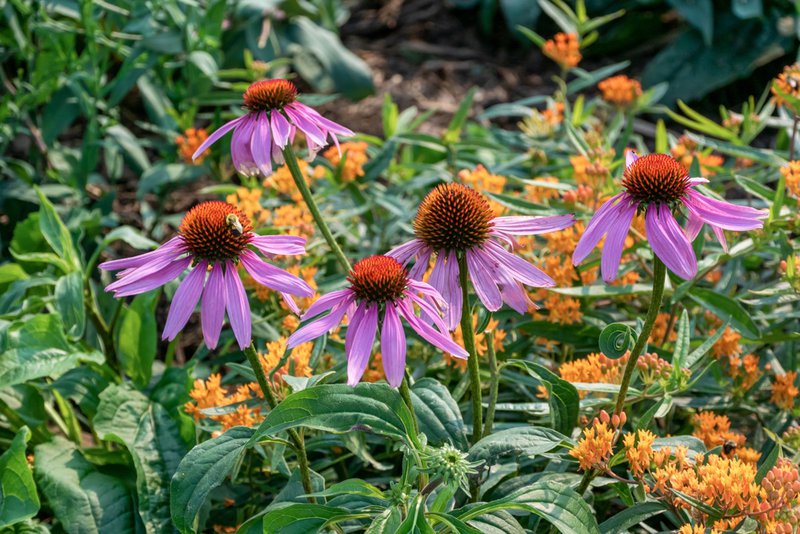
Soil Health and Native Root Systems
Native planting supports deep root development that enhances soil structure and stability, integral to overall landscape performance. Deep roots help reduce soil compaction, increase aeration, and strengthen aggregation, all of which reduce erosion and improve water infiltration. Healthy soil supports plant health without heavy dependence on supplemental fertilizers or frequent irrigation.
When native roots penetrate deeply, they help build organic matter naturally through root turnover and microbial interactions in the soil. As a result, landscapes maintain richer nutrient cycles and superior moisture retention, which translate into lower long‑term maintenance demands. Commercial sites like campuses and estates benefit from reduced soil disturbance and less frequent corrective measures.
Improved soil health elevates the resilience of the entire plant community, allowing native plantings to buffer environmental stresses more effectively. Decision‑makers see these advantages reflected in predictable seasonal performance and reduced costs. For long‑term landscape vitality, deep roots and healthy soil are foundational.
Water Efficiency, Drought Tolerance, and Smart Irrigation in Native Planting
Native planting inherently supports water efficiency because many species evolved to thrive with naturally occurring rainfall levels. These plants adjust more effectively to seasonal dry cycles, reducing the need for supplemental irrigation. When paired with modern smart irrigation technology, water use becomes even more precise and efficient.
Smart irrigation systems deliver the right amount of water at the right time by tracking weather data and soil moisture levels in real time. Research shows smart water management can reduce water use by up to 33 percent compared with manual irrigation scheduling. Such systems adjust schedules based on actual plant and site needs, preventing waste and overwatering.
As regulatory requirements tighten in drought‑prone regions like the Bay Area, landscapes that integrate drought‑tolerant native plants with smart water management maintain compliance while minimizing cost impacts. Commercial properties with smart irrigation and native planting portfolios often achieve notable water savings without sacrificing aesthetic appeal or plant health.
Smart irrigation paired with native plantings also improves resilience because water is applied only where and when needed. This precision alleviates plant stress, even under extreme dry weather conditions, supporting long‑term landscape health.
Biodiversity and Ecosystem Benefits
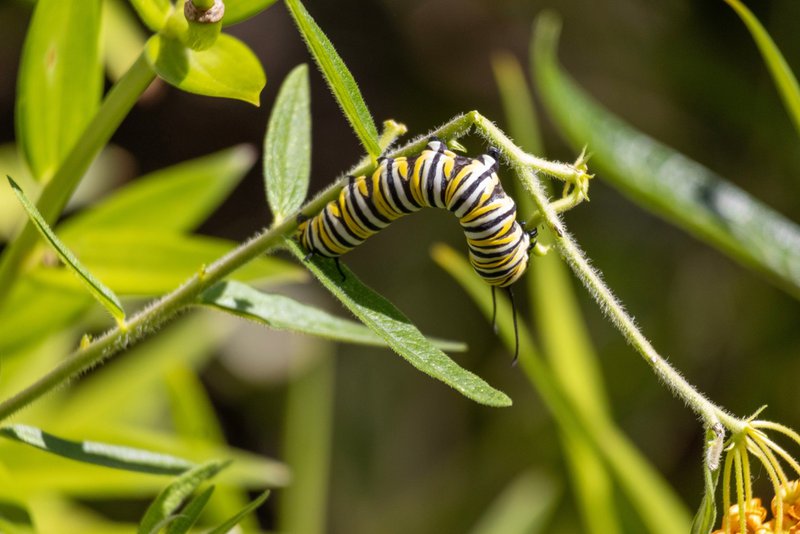
Native planting enhances biodiversity because regional plants support wildlife, pollinators, and ecosystem functions. Landscapes designed with native species provide measurable ecological benefits that improve long‑term resilience. The following key contributions illustrate how native plant assemblages strengthen ecosystems:
- Pollinator Support: Native flowering plants like California poppy and ceanothus attract bees, butterflies, and hummingbirds, promoting pollination and plant reproduction.
- Natural Pest Control: Lady beetles, lacewings, and parasitic wasps thrive in native plant assemblages, reducing the need for chemical pesticides.
- Soil Health Improvement: Deep-rooted natives such as manzanita and coast live oak enhance soil microbiology and nutrient cycling, improving landscape fertility naturally.
- Habitat Provision: Native shrubs and groundcovers like coffeeberry and yarrow create shelter for birds, small mammals, and beneficial insects, supporting a balanced ecosystem.
- Microclimate Stabilization: Strategically placed native trees and perennials moderate temperature, retain moisture, and buffer wind, improving overall landscape resilience.
By incorporating native planting, commercial landscapes achieve higher biodiversity and functional stability. These benefits contribute to lower maintenance needs and stronger ecological performance over time.
Operational Advantages for Property Managers
Native planting reduces routine maintenance demands and improves operational predictability for commercial landscapes. Resilient species require less irrigation, pruning, and fertilization, which frees teams to focus on strategic property management. These benefits create more efficient, cost‑effective maintenance schedules for large campuses and residential communities.
The following operational advantages demonstrate how native plantings enhance property management outcomes:
- Lower Maintenance Frequency: Native plants like California fescue and manzanita require minimal pruning, saving labor hours across large sites.
- Reduced Plant Replacement Costs: Species such as coast live oak and ceanothus have high survival rates, minimizing unplanned replacements.
- Predictable Seasonal Workloads: Landscapes designed with native planting allow operations teams to plan maintenance cycles accurately, reducing emergency interventions.
- Enhanced Vendor Coordination: Consistent plant performance simplifies contracts with landscapers and maintenance providers, improving efficiency.
- Resource Optimization: Lower water and fertilizer needs reduce utility expenses and support sustainable property management practices.
These operational benefits make commercial landscapes more resilient and manageable throughout the year. Incorporating native planting supports long‑term cost efficiency while improving overall landscape performance.
Native Planting Implementation Fundamentals
Successful native planting begins with a comprehensive site assessment that includes soil testing, sunlight exposure mapping, and an evaluation of existing vegetation. These assessments help determine which native species will thrive in specific microhabitats across a property. Understanding these conditions up front prevents costly mistakes and ensures resilient results.
Phased planting strategies allow landscapes to maintain visual continuity during transition periods. These methods introduce native plants in stages while honoring existing aesthetic goals. Adjacent ornamental species can complement native planting zones, creating visual harmony across the site.
Training maintenance teams on native plant care ensures ongoing resilience because crews learn species‑specific practices that support plant health. Ongoing education and proactive plant health monitoring are key to sustaining long‑term landscape performance.
Resilient Landscapes for Sustainable Futures
Native planting supports resilient landscapes that thrive with less water, fewer chemicals, and lower maintenance demands. Gachina applies expert landscape planning, smart irrigation, and regenerative maintenance to create plant communities built for resilience. The result is healthier landscapes that perform beautifully and efficiently across seasons.
Commercial properties that embrace native planting reduce operational risk and advance sustainability goals while improving ecological stability. Gachina helps clients design and manage landscapes that balance environmental stewardship with long‑term performance. Connect with Gachina to build landscapes that flourish naturally, sustainably, and enduringly.


