


When it comes to commercial landscapes, design decisions do not just impact how a property looks. They shape how it performs, how much it costs to maintain, and how smoothly it operates over time.
If design and operations are not aligned early, resource use can quickly become inefficient. Water gets overused, labor becomes inconsistent, and materials are constantly replaced or adjusted.
With the right planning, it is a different story.
Thoughtful design helps landscapes run more predictably, use resources more efficiently, and stay consistent over the long term. At Gachina, we focus on design strategies that connect environmental performance with real operational needs so properties are set up for success from the start.
Understanding Resource Planning in Landscapes
Resource planning is really about one thing. Making sure your landscape uses the right amount of water, labor, and materials and nothing more.
The way a landscape is designed directly affects how often it needs attention, how stable it feels across seasons, and how easy it is to manage day to day.
Without a clear plan, things tend to drift. Maintenance becomes inconsistent, costs fluctuate, and teams spend more time reacting than managing proactively.
When resource planning is built into the design from the beginning, everything becomes more predictable. Landscapes perform more consistently, and there is less need for ongoing corrections or last-minute fixes.
Design Decisions That Shape Resource Use
A lot of what you deal with later can be traced back to what was decided early on.
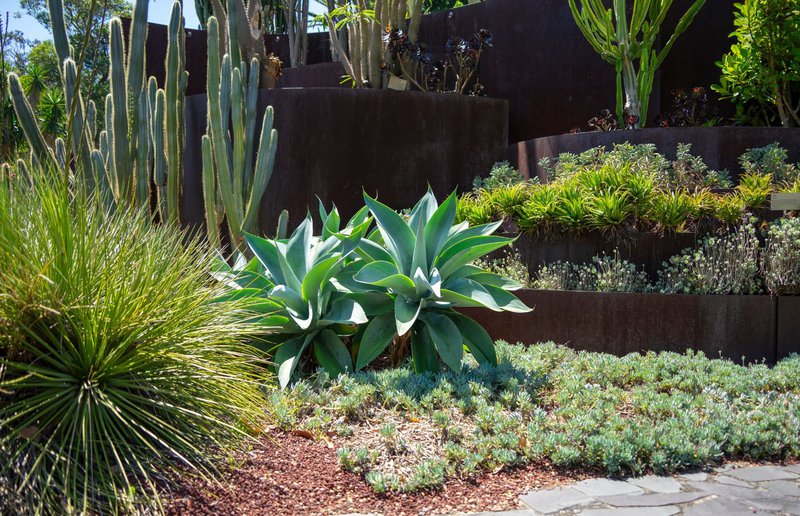
Plant selection is one of the biggest factors. When plants are well-suited to the site, they require less water and fewer interventions, and they hold up better over time.
Soil preparation is just as important. Healthy soil supports stronger roots, improves access to nutrients, and holds moisture more effectively. That alone can reduce the need for constant adjustments.
Layout also plays a role in how efficiently a site can be maintained. When pathways and planting areas are planned with maintenance in mind, crews can work more efficiently and avoid unnecessary back-and-forth.
And of course, irrigation infrastructure ties it all together. Well-designed systems allow water to be distributed efficiently and support better control across different areas of the property.
Water as a Key Driver
Water is often the most critical resource to manage.
A well-designed irrigation system does more than keep plants alive. It ensures water is applied evenly, reduces runoff, and supports consistent performance across the site.
Hydrozoning helps make that possible by grouping plants with similar water needs. This allows each area to be irrigated appropriately instead of using a one-size-fits-all approach.
As water regulations continue to evolve, having these systems in place is not just helpful. It is necessary. Properties that are designed with water efficiency in mind are better positioned to stay compliant and avoid future issues.
How Design Impacts Labor and Maintenance
Good design does not just reduce water use. It also makes maintenance more manageable.
When landscapes are planned with operations in mind, it becomes easier to:
- Keep staffing levels consistent across seasons
- Reduce emergency or last-minute work
- Stay aligned across multiple properties
- Avoid unnecessary overtime
- Respond quickly to safety or compliance needs
Instead of constant adjustments, teams can focus on the work that actually improves the landscape. Over time, that leads to more stable performance and fewer disruptions.
Long-Term Environmental and Operational Benefits
When resource planning is done right, the benefits add up quickly.
Healthier soil and better plant selection reduce the need for chemical treatments. Plants stay stronger through seasonal changes, and landscapes become more stable overall.
Fewer plant replacements also means less disruption and more consistency across the property.
These improvements are not just environmental. They are operational. Landscapes become easier to manage, more predictable to budget, and better aligned with long-term goals.
How Implementation Comes Together
The first step is always understanding the site.
That means looking at irrigation systems, plant health, soil conditions, and current maintenance practices to see where things can improve.
From there, changes can be phased in over time. This helps reduce disruption while still moving the property toward a more efficient system.
That process often includes:
- Identifying inefficiencies across water, planting, and operations
- Prioritizing improvements based on impact
- Phasing upgrades to maintain continuity
- Training teams on updated systems and expectations
- Monitoring performance and adjusting as needed
With the right approach, improvements do not feel disruptive. They feel like steady progress.
Smarter Water Strategies Through Better Planning
Water efficiency works best when it is planned, not patched.
Coordinated design strategies like hydrozoning and smart irrigation help ensure water goes where it is needed and nowhere else.
Modern systems also allow teams to monitor performance and make adjustments as conditions change, whether that is seasonal shifts or long-term climate trends.
For commercial properties, this means better control, lower waste, and more confidence in how systems are performing.
Designing for Long-Term Performance
At the end of the day, design decisions set the tone for everything that follows.
When resource planning is part of the design process, landscapes perform more consistently, require fewer corrections, and support long-term operational goals.
Gachina Landscape Management brings design, maintenance, and water management together to create landscapes that are efficient, resilient, and built to last.
Because the best landscapes are not just designed to look good. They are designed to work better over time.


