


A well-performing landscape should not require constant attention just to stay presentable, and true landscape efficiency comes from systems designed to reduce ongoing maintenance demands.
For property managers, the goal is not to do more maintenance. It is to need less of it in the first place. When a landscape is designed and managed thoughtfully, it runs more smoothly, stays consistent, and avoids the cycle of constant fixes.
That is where smart planning comes in.
At Gachina, we focus on design-driven strategies that support long-term performance so your landscape holds up, your resources are used more efficiently, and your day-to-day operations stay predictable.
What Does “Landscape Efficiency” Really Mean?
Landscape efficiency is not about cutting corners. It is about removing unnecessary work.
It is the balance between how much effort goes in, including water, labor, and materials, and how well the landscape performs over time. When everything is aligned properly from the start, you are not constantly putting out fires later.
Efficient landscapes are built with foresight, considering how plants will grow, how water moves through the site, and how soil supports everything over time.
When those pieces are dialed in early, maintenance becomes more consistent, less reactive, and much more manageable, especially across larger or more complex properties.

Design Choices That Actually Reduce Work
A lot of long-term issues can be traced back to early design decisions.
Plant selection is a big one. When you are working with resilient, well-matched plant groupings, you reduce replacements, reduce stress on the system, and create a more stable landscape overall.
Soil matters just as much. Healthy, well-prepared soil supports stronger root systems and holds moisture more effectively. This allows plants to handle real-world conditions without constant intervention.
Then there is hydrozoning, which groups plants based on similar water needs. It makes a noticeable difference. Instead of overwatering some areas and stressing others, each zone gets what it needs, which reduces both waste and follow-up fixes.
When these elements are designed to work together, the landscape starts to take care of itself more effectively.
Maintenance That Stays Ahead of Problems
Even the best-designed landscape still needs maintenance, but how it is managed makes all the difference.
Instead of reacting to issues after they show up, more efficient systems focus on prevention. Maintenance teams can anticipate needs based on seasonal patterns and site conditions rather than relying on a fixed routine.
This means catching plant stress early, addressing irrigation issues before they escalate, and avoiding the kind of problems that tend to snowball.
For larger portfolios, consistency is key. Clear scheduling and standardized approaches help keep multiple properties aligned so you are not dealing with uneven results from site to site.
Connecting Water, Soil, and Labor in Landscape Efficiency
Efficiency improves when all systems work together.
Smart irrigation systems apply water based on actual need, not just a preset schedule. This reduces waste and supports healthier plant growth.
Improving soil health goes even further. Better soil structure allows water to absorb and stay where it is needed instead of running off or evaporating too quickly. Over time, this reduces reliance on irrigation and improves resilience during dry periods.
Labor also becomes more effective when crews are focused on high-impact work instead of repeating low-value tasks. This reduces redundancy and increases overall productivity.
Keeping a High-End Look Without the High Effort
Reducing intervention does not mean lowering your standards.
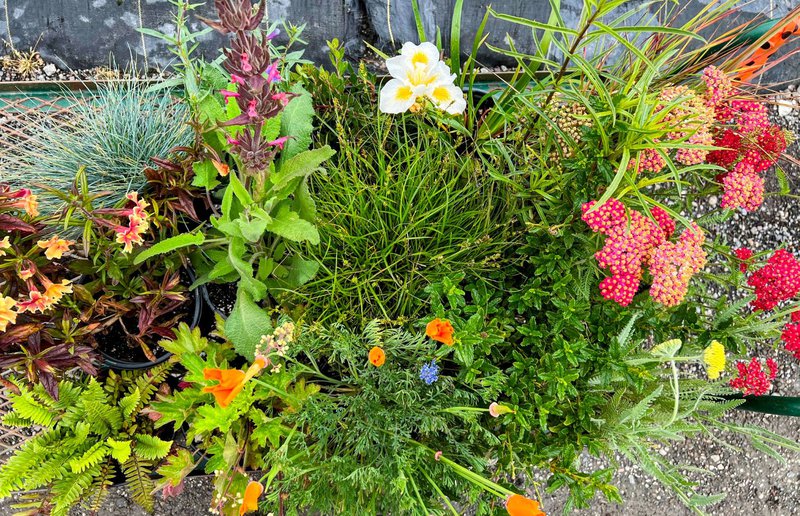
With the right design approach, landscapes can stay full, structured, and visually consistent without constant rework.
Layered planting helps maintain depth and coverage as seasons change, while resilient plant selections hold their shape and color longer. This reduces the need for frequent replacements.
When everything is working as it should, you do not have to choose between performance and appearance. You get both.
How to Transition Toward Greater Landscape Efficiency
Every property has its own starting point, so the first step is understanding what is happening on-site.
This includes reviewing irrigation performance, plant health, soil conditions, and current maintenance patterns to identify inefficiencies.
From there, improvements can be phased in to avoid disruption, especially for active properties like campuses, retail centers, and medical facilities.
This often includes:
- Fine-tuning irrigation systems for better control
- Adjusting plant groupings to align with water needs
- Improving soil conditions to support long-term stability
- Equipping teams to spot and address issues early
- Continuously refining the approach as the site evolves
This is not about flipping a switch. It is about steadily improving how the landscape performs over time.
Built for Performance and Peace of Mind
The best landscapes do not demand constant attention. They support your property quietly and consistently in the background, reflecting strong landscape efficiency through smart design and sustainable planning.
When design, maintenance, and water management are aligned, everything becomes more predictable. You see fewer surprises, fewer disruptions, and better long-term results.
Gachina Landscape Management brings these elements together through integrated design, proactive maintenance, and smart water strategies, helping commercial properties reduce unnecessary intervention while maintaining a high standard of quality.
Because a landscape should make your job easier, not give you more to manage.


