


A landscape can look fine during one inspection and start showing stress before the next. Most of the time, it isn’t a maintenance issue. It’s the irrigation system continuing to water as if nothing around it has changed. That’s where smart irrigation becomes important, helping systems respond to real site conditions instead of fixed assumptions.
Instead of following a fixed routine, it responds to what’s actually happening on site. Weather shifts, soil conditions, and seasonal changes all influence when and how water is applied. On commercial properties, that flexibility can make the difference between steady plant performance and constant correction.
Gachina works with commercial sites across the Bay Area to put that kind of responsiveness into practice, improving plant health, reducing unnecessary water use, and helping landscapes behave more predictably.
Better Watering Starts With Better Information
A landscape reflects the decisions behind it, even the ones made months earlier.
Most irrigation issues don’t begin with obvious failure. They start quietly when watering continues on habit rather than current conditions. A controller that “runs fine” can still be out of sync with what the soil is actually doing.
Smart irrigation shifts that pattern. It pulls in real-time inputs like weather patterns, soil moisture, and seasonal shifts to guide watering decisions. In practice, that means a system might skip a cycle after a cool, damp night or adjust runtimes during a sudden heat spike.
The adjustment is rarely dramatic at first. It’s almost unnoticeable day to day.
But over time, those small corrections add up. Root systems develop more depth, stress cycles become less extreme, and crews spend less time chasing recurring dry spots or overwatered areas that keep reappearing in the same zones.
Working Smarter Behind the Scenes
The most meaningful changes in irrigation usually happen out of sight.
Smart irrigation systems are constantly processing site data in the background. A property manager might not notice anything different on a given morning, but the system may have already adjusted runtimes across several zones overnight based on temperature swings or moisture readings.
That process is supported by several tools:
- Weather-based controllers adjust irrigation in response to changing conditions
- Soil moisture sensors confirm whether watering is actually needed before a cycle runs
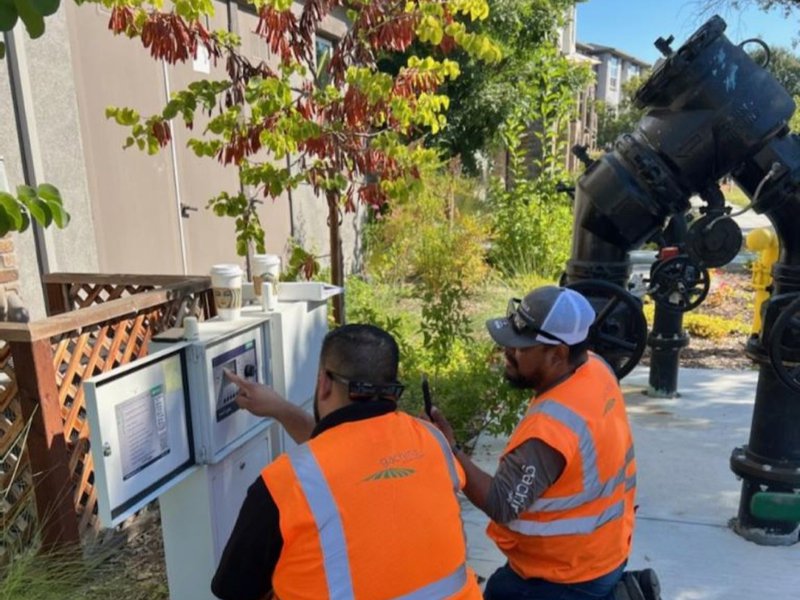
- Remote monitoring provides visibility across multiple properties or zones without being on site
- Automated alerts flag unusual flow patterns or unexpected usage early
- Performance reporting helps teams see trends instead of isolated snapshots
These tools don’t replace field experience. They make it easier to trust what’s happening below the surface before problems become visible.
Consistency Shows Up in the Landscape
Healthy landscapes tend to feel steady rather than dramatic.
When irrigation aligns with actual site conditions, plants aren’t constantly pushed between extremes. Instead of bouncing from overwatered pockets to dry stress areas, the landscape settles into a more even rhythm through seasonal change.
That stability also changes how teams work.
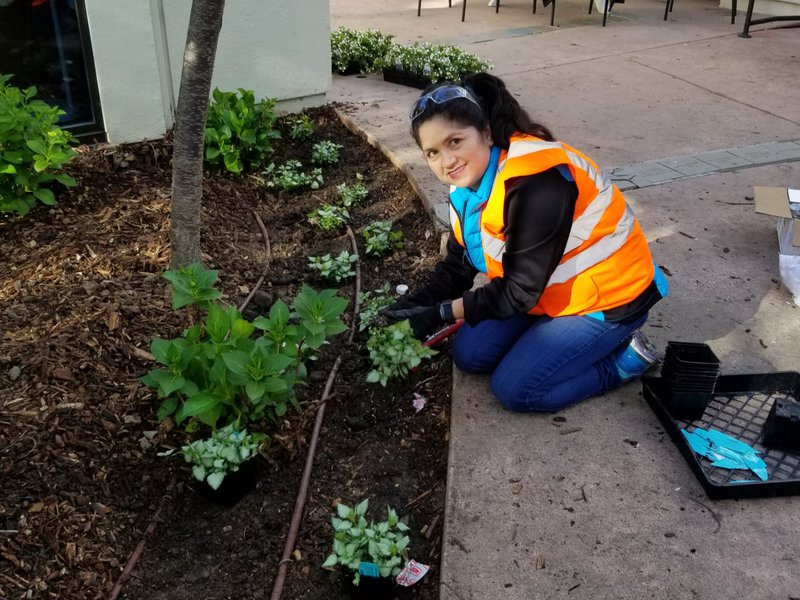
Crews can spend more time improving plant material, soil conditions, and site presentation instead of repeatedly responding to irrigation complaints. Scheduling becomes easier to plan around because fewer unexpected issues interrupt maintenance routes.
The EPA points out that weather-based and soil moisture controllers do something clock timers can't: they read what's actually happening outside and adjust watering to match. So plants get water when they truly need it, which keeps them healthier and cuts down on all the water that would otherwise go to waste.
Small Problems Stay Small
Most irrigation problems don’t announce themselves.
A minor leak, a slightly misaligned head, or a controller schedule that drifts just a bit can go unnoticed for weeks. On a large commercial property, those small inefficiencies tend to blend into the background until plant stress or water bills make them obvious.
Smart irrigation helps surface those issues earlier.
Monitoring tools highlight irregular usage patterns, making it easier to catch changes before they turn into visible damage or larger repairs. Instead of reacting to symptoms, teams can address the source while it is still manageable.
The Environmental Protection Agency notes that as much as half of outdoor water can be lost to inefficient irrigation methods and systems. Catching those problems early helps curb that waste and supports more responsible resource use.
Making Sustainability Easier to Maintain
Sustainability goals often sound straightforward on paper. Execution is where complexity shows up.
Large commercial properties still need to stay visually consistent, meet operational demands, and manage costs while reducing environmental impact. Those priorities don’t always move in the same direction without support.
Smart irrigation helps balance them by matching water delivery to actual site conditions. When watering is more precise, waste naturally decreases without requiring constant manual adjustment or trade-offs in landscape appearance.
In regions where water restrictions continue to tighten, that alignment becomes even more important. Healthier soil structure, reduced runoff, and more efficient irrigation patterns support long-term resilience without adding operational strain.
Keeping the System Aligned
Even well-designed irrigation systems drift if they’re never revisited.
As plant material matures, shade patterns change, and soil conditions evolve, watering needs shift with them. A schedule that worked two years ago may no longer reflect how the site actually behaves today.
A few ongoing practices help keep systems aligned:
- Reviewing irrigation reports to identify patterns that are starting to shift
- Adjusting schedules as seasons change or weather patterns become less predictable
- Inspecting system components during routine maintenance cycles
- Using collected data to guide decisions instead of relying only on fixed settings
- Coordinating irrigation planning with broader landscape management goals
The goal isn’t constant adjustment. It’s controlled refinement over time so the system stays accurate without becoming disruptive.
Built for Long-Term Performance
A reliable landscape reduces uncertainty in everyday operations.
Water is applied more intentionally, plant health becomes more consistent, and maintenance needs become easier to anticipate. Gradually, properties stop swinging between correction cycles and settle into more stable performance.
That is where smart irrigation delivers its long-term value.
When paired with ongoing oversight and practical field knowledge, it supports landscapes that hold steady across seasons instead of reacting sharply to them. Gachina Landscape Management applies that approach through data-informed water management and long-term planning built around real site conditions.
The result is a landscape that performs more predictably, supports operational goals, and improves gradually instead of fluctuating under pressure.


