


Commercial landscapes in Tracy face seasonal heat, irrigation demands, and site conditions that can affect plant health and maintenance needs. Effective commercial plant health management starts with identifying what is causing plants to struggle and determining the appropriate response.
A tree declining beside a parking lot may face heat stress and restricted rooting space, while shrubs in another area may receive too much or too little water. These differences matter when deciding whether a landscape needs irrigation adjustments, soil improvements, targeted treatment, or replacement planting.
Identifying the cause before approving corrective work helps direct resources toward the problem rather than repeatedly addressing its symptoms.
Identify Plant Health Problems Before Replacing Plants
Yellowing leaves, thinning canopies, dead branches, and uneven growth can indicate several underlying problems. Irrigation issues, poor drainage, nutrient imbalances, restricted roots, pests, and disease may produce similar symptoms, so appearance alone rarely tells the whole story.
Consider a row of shrubs that continues to decline despite routine maintenance. Replacing the plants may temporarily restore the property's appearance, but the same problem could return if unsuitable soil conditions or irrigation issues remain unresolved.
Gachina's Plant Health Care services include soil testing and analysis, soil amendments, tree care, integrated pest management, and targeted interventions. These services help determine which response fits the conditions affecting the planting.
Replacement is appropriate in some situations, but diagnosing the cause first can prevent unnecessary work and inform future planting decisions.
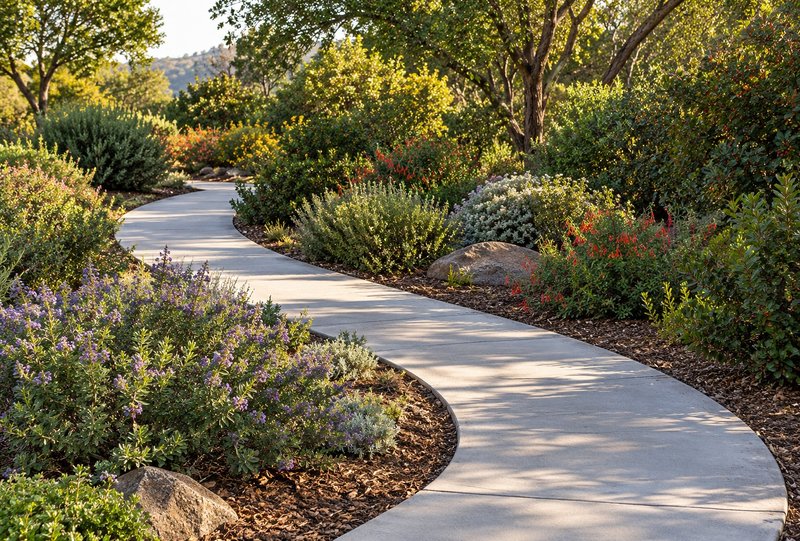
Account for Tracy's Growing Conditions
Tracy's hot, dry summers can place additional demands on commercial landscapes, particularly in areas with extensive pavement, limited shade, and restricted growing space.
Parking lot islands can expose plants to reflected heat, while shrubs beside buildings may receive different amounts of sunlight and rainfall than plantings in open areas. Soil conditions and drainage can also vary across a single property.
Plant selection should reflect these differences. A species suited to a shaded planting bed may struggle in an exposed area with limited rooting space and higher heat exposure. Selecting plants according to soil, sunlight, available water, and local microclimates helps align landscape design with actual site conditions.
Gachina's approach to climate-appropriate plant communities considers these factors when planning landscapes. For property managers, accounting for growing conditions from the beginning can help avoid plant selections that demand repeated corrective attention.
Diagnose Irrigation Problems Before Increasing Water
When plants wilt during dry weather, increasing irrigation may seem like the obvious solution. However, additional water will not correct every cause of plant stress and may worsen conditions where drainage is poor.
A running irrigation system does not guarantee even water distribution. Clogged emitters, leaking lines, and poorly adjusted sprinklers can leave one section of a planting bed dry while another receives excess water.
Soil conditions can complicate the problem. Compacted soil may restrict water infiltration, while poorly drained areas can remain saturated and contribute to root stress. Both situations can affect plant health, even when irrigation schedules appear adequate.
Gachina's smart water management services address irrigation as part of broader landscape performance. Evaluating distribution, drainage, and root-zone conditions helps determine whether a planting needs equipment repairs, schedule adjustments, or improvements to its growing environment.
The priority is to identify where the system or site is falling short before increasing water across an entire irrigation zone.
Match the Response to the Cause
Once the likely cause of plant decline is understood, the next decision is determining which intervention is appropriate. Not every stressed plant needs chemical treatment, additional fertilizer, or replacement.
A practical assessment should consider three areas:
- Growing conditions: Examine soil moisture, drainage, compaction, sunlight, and available rooting space.
- Irrigation performance: Check for uneven coverage, equipment problems, and watering schedules that no longer suit site conditions.
- Plant health: Look for signs of pests, disease, nutrient deficiencies, or damage that may require targeted intervention.
Gachina's integrated pest management approach includes monitoring, biological controls, habitat management, beneficial insects, and resistant plant varieties. Chemical treatments may be considered when monitoring indicates they are warranted.
Soil testing can also help identify pH and nutrient conditions that influence plant growth. Combining these findings with observations of the site helps determine whether the appropriate response involves changing maintenance practices, correcting irrigation problems, improving soil conditions, or treating a specific pest or disease.
This diagnostic approach gives property managers a more informed basis for prioritizing landscape work.
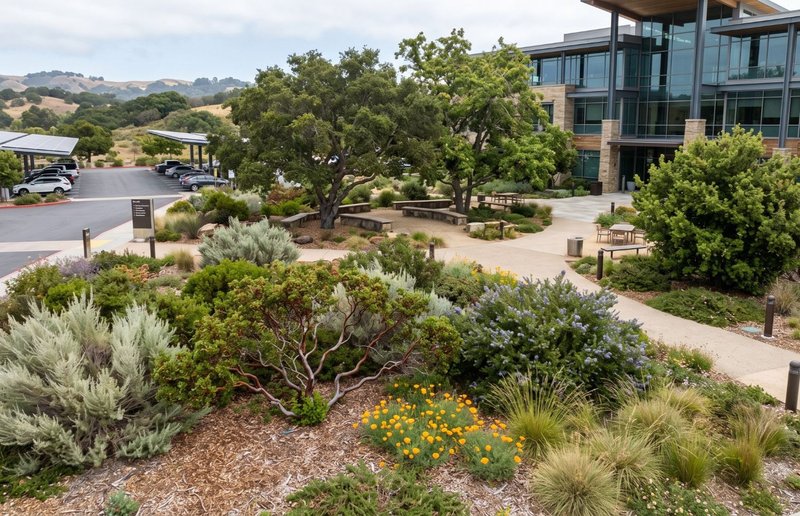
Improve Growing Conditions for Long-Term Plant Health
Correcting an immediate problem is only part of maintaining a commercial landscape. Soil quality, root development, water management, and plant selection influence how well the landscape performs over time.
Compacted soil can restrict root growth, while unsuitable drainage can expose plants to excessive moisture. Poorly matched plant selections may also require more water or maintenance than the site can reasonably support.
Gachina's regenerative landscape services focus on restoring ecosystem health, enhancing biodiversity, and supporting sustainable landscape practices. Depending on site conditions, improvements may involve addressing soil limitations, refining irrigation practices, or selecting plants better suited to the environment.
When growing conditions and plant needs are considered together, maintenance plans can address underlying problems instead of repeatedly correcting the same issues.
Keep Tracy Commercial Landscapes Healthy
Healthy commercial landscapes require attention to the conditions that influence plant performance, not just the symptoms that appear above ground. In Tracy, heat exposure, irrigation distribution, drainage, and soil quality can all affect which interventions are appropriate.
A well-planned commercial plant health strategy helps property managers identify concerns, prioritize corrective work, and adapt maintenance as landscape conditions change.
Gachina connects plant health care with soil analysis, integrated pest management, smart water management, and regenerative landscape services. Partner with Gachina to develop a plant health care approach tailored to your Tracy commercial property.


