


The most expensive landscape problems rarely appear overnight. For commercial property managers, proactive care helps catch developing issues before they lead to costly repairs, higher water bills, or unnecessary plant replacements.
A leaking irrigation line, an overgrown tree, or declining shrubs might seem like minor maintenance concerns. Left unaddressed, these problems can waste resources, affect property appearance, and create safety concerns. Recognizing early warning signs helps protect your landscape investment and manage costs.
Small Landscape Problems Can Become Expensive
A broken irrigation valve can leave a puddle near a planting bed for weeks. Beyond wasting water, persistent moisture can affect nearby plants and create slippery surfaces. A leaking lateral line may be less visible but can drive up water bills until someone identifies the source.
Other issues affect how people experience your property. Trees can grow over exterior light fixtures, shrubs can block sightlines near driveways, and declining turf around a building entrance can undermine curb appeal.
These conditions deserve attention for more than appearance alone. Wet walking surfaces and obstructed sightlines can create potential safety hazards, while unresolved leaks waste water and increase operating costs. Identifying the cause early helps property managers prioritize repairs before minor issues become more disruptive or expensive.
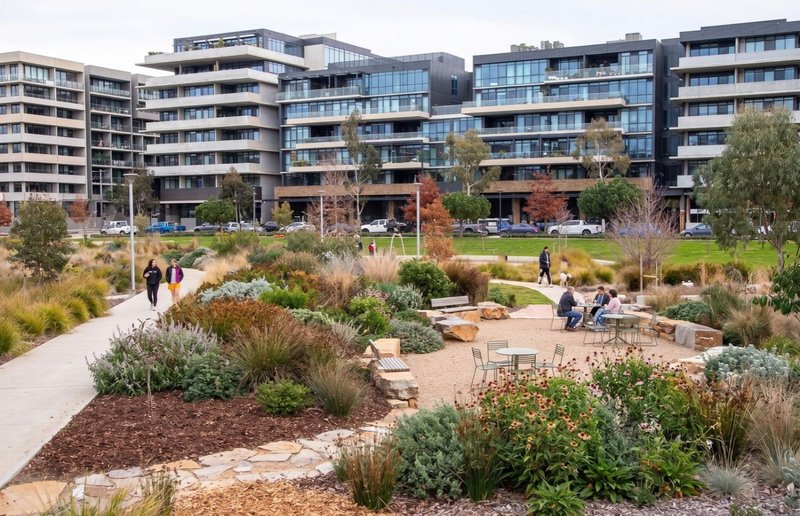
What Routine Inspections Should Catch Early
Regular inspections help crews spot changes that might otherwise go unnoticed. An irrigation controller may have been overriding weather conditions for months, while a tree gradually grows over an exterior light fixture. Both deserve attention before they affect operating costs or property conditions.
Recurring plant decline also warrants investigation. Replacing the same struggling shrubs without examining soil conditions, drainage, pests, or plant suitability can lead to repeated expenses.
Gachina's landscape maintenance approach includes regular site care and irrigation oversight, helping crews identify developing concerns. Reviewing those observations with property managers helps determine which issues need prompt attention and which require further investigation or planned maintenance.
Irrigation Decisions Should Follow the Evidence
Higher water bills or stressed plants do not automatically mean a landscape needs more water. A leaking lateral line, uneven coverage, or a poorly adjusted schedule could be the real issue.
A functioning irrigation system does not guarantee that water reaches plant roots effectively. If one planting bed stays dry while another remains saturated, the next step is to examine irrigation coverage, soil conditions, and drainage before recommending changes.
Gachina considers these site-specific factors when assessing irrigation needs. Addressing the actual cause can help property managers reduce unnecessary watering, control utility costs, and avoid adjustments that fail to solve the problem.
Plant Health Protects Your Landscape Investment
When the same plants repeatedly decline, replacing them without investigating the cause can waste maintenance dollars. Soil conditions, sunlight, drainage, pests, and irrigation all influence whether plants thrive in a particular location.
Gachina's Plant Health Care services incorporate monitoring, soil testing, horticultural practices, and integrated pest management to help identify plant health concerns and guide appropriate responses.
For example, shrubs that struggle in a hot, exposed planting bed may need a different planting strategy rather than another round of replacements. Before approving new plants, it makes sense to determine whether the location or growing conditions need to change. Selecting plants suited to the site can help preserve curb appeal and reduce avoidable replacement costs.
Sustainable Landscapes Depend on Everyday Decisions
Water conservation and soil health are practical maintenance concerns, not just long-term environmental goals. Poor soil conditions, unsuitable plant choices, and inefficient irrigation can increase the resources needed to maintain a landscape.
Gachina's regenerative landscape services incorporate practices such as soil restoration, water conservation, native plants, and habitat-focused management. The appropriate approach depends on the property's conditions and environmental objectives.
For property managers, these decisions connect sustainability goals with everyday operations. Reducing resource waste and selecting suitable plants helps align environmental priorities with the practical demands of maintaining commercial grounds.
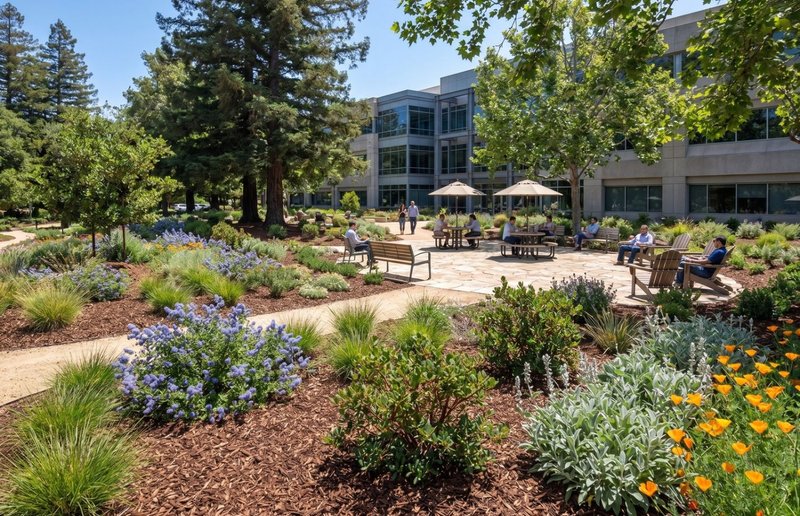
Planning Connects Today's Maintenance With Tomorrow's Needs
Landscape issues can affect several property priorities at once. An overgrown tree may obstruct a light fixture, while shrubs near a driveway may need pruning to restore visibility. These concerns require attention to safety and access as well as appearance.
Gachina considers how planting choices, maintenance requirements, and site conditions affect landscape performance over time. This perspective helps property managers look beyond individual service requests and consider whether recurring issues point to a larger maintenance need.
Repeated repairs, rising water use, or ongoing plant replacements deserve more than another round of fixes. Reviewing these patterns with your landscape management partner can help identify changes worth making, prioritize spending, and plan improvements before problems require urgent attention.
Put a Preventive Maintenance Plan in Place
Storm damage, equipment failures, and unexpected plant health concerns can still require immediate attention. Consistent inspections and informed maintenance decisions, however, can help catch developing problems before they become more disruptive.
A well-planned maintenance strategy helps property managers control water costs, preserve curb appeal, reduce unnecessary plant replacements, and support sustainability goals. It also helps identify potential safety concerns and connect routine service with the property's changing needs.
Gachina works with commercial property owners and managers to maintain landscapes according to their site conditions, operational priorities, and environmental goals. Contact Gachina to discuss a maintenance approach tailored to your property's needs.


